ADA-Compliant Portable Restrooms: Planning Rentals With Ease Of Access in Mind
When people intend portable toilet rentals, they normally begin with head count, period, and spending plan. Ease of access commonly obtains pushed a little later in the conversation, sometimes because coordinators assume one larger system someplace on site will cover the demand, and occasionally because they are not exactly sure what the rules actually demand. That hesitation can develop genuine problems for guests, workers, and attendees that need an easily accessible washroom and needs to not need to look for it, battle to reach it, or uncover that it is practically present however functionally unusable.
This is where thoughtful preparation issues. An ada certified mobile bathroom is not merely a common system with a larger footprint. It needs to benefit individuals that rely upon it. That indicates the system itself, the course to it, the way it is recognized, and the room around it all issue. If any type of one of those items is ignored, the outcome can look compliant on paper while falling short in practice.
I have seen this happen at community events, church celebrations, short-lived work staging locations, and outside exclusive events that unexpectedly grew larger than anyone very first envisioned. Somebody orders an ada mobile restroom due to the fact that they intend to do the right point. The supplier provides it. Then the device gets put on irregular turf behind a food camping tent, or on soft gravel that transforms to ruts after a few hours of traffic. No one intended to create a barrier, yet intent does not transform the experience for the individual that can not utilize the toilet independently.
What the ADA requires for mobile toilet rentals
For mobile commode rentals in the United States, the controlling government requirement is the 2010 ADA Requirements for Accessible Design, as analyzed by the Access Board and the Department of Justice. That framework is what rental planning should be built around. For clusters of mobile single-user commode units, at the very least 5 percent of the units in each collection need to be accessible. That applies also at momentary events.
That 5 percent guideline catches lots of people unsuspecting. They assume availability can be taken care of by putting one ada certified portable bathroom somewhere on a large property. The basic focuses on each cluster, not just the overall number throughout an entire occasion. If you split toilets into separate banks across a fairground, sports field, festival route, or work area, you need to think collection by cluster. A website can be well provided general and still fail the practical test if an accessible device is missing out on from the place where individuals actually require one.
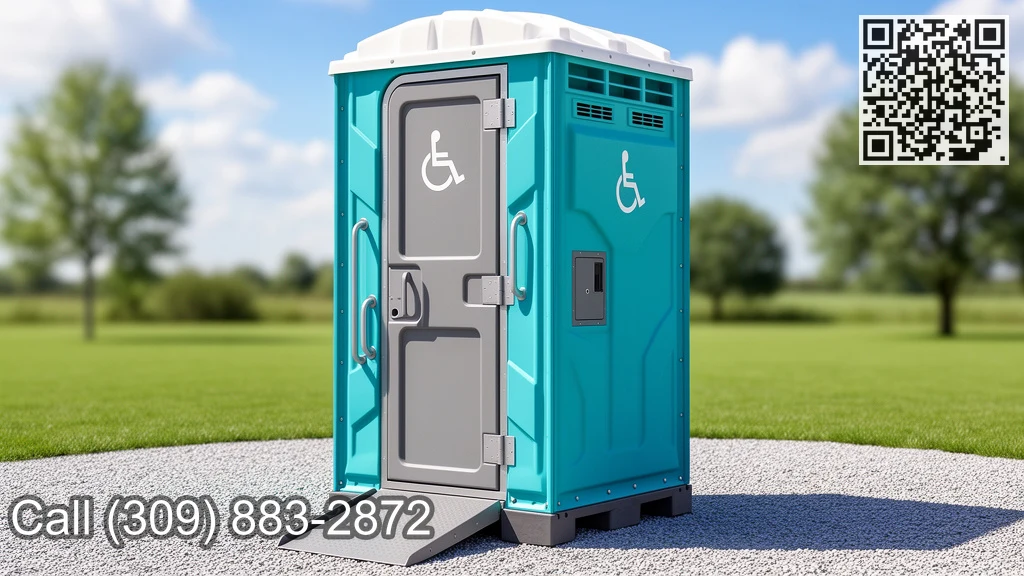
The available system should additionally be identified with the International Symbol of Accessibility. That seems straightforward, but it matters. Individuals ought to not need to open several doors or ask personnel for instructions to figure out which unit is the available one. Clear identification decreases stress and maintains dignity.
The device additionally requires an accessible route and entrance. If ramps or landings are needed, those functions have to follow ADA technological needs. This is one of one of the most typical planning failings since individuals focus on the toilet box itself and overlook the ground problems around it. A certified system put on top of a muddy surge or behind a narrow gate does not provide purposeful access.
Inside the device, technical demands additionally use. The commode room need to meet relevant requirements for clearances, turning area, door navigating clearances, and the suitable rules for grab bars and water storage room clearances. That is why a real ada compliant accessible portable toilets setup depends on the unit version and format, not just the sales representative stating, "This one is the accessible one."
The preparation blunder that causes the most trouble
The largest error is dealing with availability as an add-on as opposed to a starting condition.
If you wait till completion of the rental order to request for an ada easily accessible portable bathroom, you are more likely to settle for whatever takes place to be available. You likewise decrease your alternatives for proper positioning. On busy weekends or throughout big seasonal events, supply can tighten, particularly for specialized devices. Even if a vendor can provide an ada mobile toilet, your website might already be outlined in such a way that leaves only bad positioning choices.
A better strategy is to prepare the accessible units at the exact same time you map traffic circulation, vehicle parking, queuing, and solution areas. Consider exactly how an individual receives from arrival point to toilet and back once more without detours, steep qualities, or blockages. Think of who will certainly utilize the website after dark, in wet weather, or throughout optimal crowding. Availability is not separate from procedures. It is operations.
At one outdoor occasion I assisted review after the fact, the organizers had practically rented an ada handicap accessible mobile restroom. The trouble was that they placed it past a row of supplier camping tents since they desired it "off the beaten track." During the event, the course tightened as outdoors tents changed and supply boxes gathered behind booths. The bathroom existed, the sign got on the door, and yet many attendees could not comfortably reach it. The problem was tolerable intent. It misbehaved sequencing. They made design decisions initially and accessibility choices second.
Why "accessible" and "functional" are not constantly the very same thing
This is the part that deserves sincerity. A rental company may supply an ada certified mobile bathroom that fulfills the needed technological functions, but the organizer or site manager still controls whether the experience is useful on the ground. The ADA common reaches beyond the covering of the unit. The path issues. The entryway matters. Maneuvering area matters.
A couple of little choices can undo the advantage of the right unit. Positioning it where automobiles obstruct the approach, fencing it inside a tight service hallway, or establishing it on a surface that shifts under wheels can all transform a certified item right into an inaccessible experience.
The most reliable organizers I understand stroll the course in person before delivery preferably. They do not just factor at a spot on a site map. They consider grade, width, ground firmness, drainage, and neighboring congestion. They ask what happens if it rains. They ask whether maintenance vehicles can service the unit without requiring short-lived barriers right into the course of traveling. That type of useful reasoning saves embarrassment later.
Cluster mathematics is basic, however website layout is where judgment comes in
The 5 percent guideline is simple in idea, but in genuine preparation, the more difficult concern is just how you define and position clusters. If an occasion has portable commodes near the primary stage, near sports fields, and near parking, those are not just one large consolidated restroom area since they all occur to be on the same property. Individuals use the closest bank available to them. If a person with a wheelchair disability needs to go across half the venue to locate the only obtainable device, the setup is missing the point.
This is why great website preparation often feels less like checkbox compliance and even more like audience empathy. Picture the guest who shows up with the secondary entryway. Picture the volunteer who works six hours at the border booth. Photo the member of the family that is helping a person browse the premises throughout a congested duration. Where will they sensibly expect to discover an obtainable restroom? That is where one requires to be.
There is likewise a distinction between lawful minimums and reasonable preparation. The minimum need tells you the floor, not constantly the wisest quantity for convenience and flow. I would be careful not to specify a formula beyond the confirmed guideline, however it is fair to claim that some sites benefit from purchasing more than the bare minimum if the premises are spread out, if participation patterns are unequal, or if heavy use is anticipated in one area.
Construction sites call for a mindful distinction
One detail that can confuse customers is the therapy of building sites. The ADA Specifications identify mobile bathroom systems at building websites utilized exclusively by construction personnel, which are excluded from the portable-toilet availability scoping need pointed out in the older 1991 criterion. That exemption is slim and context matters. For general portable toilet rentals, the accessible-unit requirement remains.
That difference must not be stretched past what it states. If a site is not restricted to construction workers in the means the exemption considers, organizers should not presume they are outside the access needs. It is one of those areas where individuals listen to a fragment of a policy and defalcate it broadly. When doubtful, decrease, confirm what setting you are in fact handling, and avoid making presumptions based upon a single tag like "work site" or "momentary usage."
What to ask prior to you authorize the rental order
A brief conversation with the vendor early on can prevent an unexpected amount of trouble. You do not need to come to be a code specialist overnight, however you do need sufficient quality to understand what you are obtaining and exactly how it needs to be installed.
Here are the concerns worth asking:
- Is this device a real ada compliant portable restroom made to fulfill applicable ADA toilet-room technical requirements?
- How must the device be positioned so the available route and entrance remain usable on this particular site?
- Does this place require a ramp or touchdown, and if so, exactly how will certainly that be handled in a manner that meets ADA requirements?
- Is the system plainly noted with the International Sign of Accessibility?
- If we have numerous washroom collections, the number of available units must be assigned to each cluster as opposed to to the website as a whole?
That checklist might seem fundamental, however it alters the discussion. As opposed to buying a common "large mobile commode," you are indicating that ease of access is part of the scope, not an afterthought.
Placement decisions that deserve more attention
Most accessibility troubles are positioning problems.
Ground surface area is the very first thing I would certainly check out. A site that appears fine when completely dry can become deeply inconvenient after a few hours of foot web traffic or weather condition. Soft turf, loosened fill, or churned gravel can influence access also before a person gets to the door. The standards require an obtainable route and entrance, so it is not enough that a service vehicle can drop the device there.
Next comes group behavior. Mobile washrooms frequently wind https://keeganzxte980.nexorafield.com/posts/ada-handicap-obtainable-portable-bathroom-rental-what-federal-specifications-cover up beside hosting locations, dumpsters, food lines, or temporary fence since those spaces really feel very easy to allocate. Then the pathways tighten as the event comes alive. A route that looked generous throughout arrangement might come to be narrow when coolers, stanchions, cord covers, or supply carts show up. In functional terms, the accessible path must be secured from the creep of event clutter.
Door maneuvering clearance is an additional factor that individuals ignore because they assume it is just an interior issue. Actually, the space outside the door impacts whether a customer can come close to, open, and enter the device efficiently. If the door swings into a cramped corridor or toward a sloped patch of ground, the trouble starts before the individual crosses the threshold.
I additionally suggest thinking of visibility. An ada mobile bathroom does not require to be showcased, however it ought to be easy to find. If a guest has to ask three staff members where the available device is, the site is not working in addition to it should. Signs, line of sight, and intuitive placement all help.
Temporary occasions still count
There is a persistent myth that since an occasion is momentary, the access assumptions are somehow loosened up. They are not. The Gain access to Board has actually made clear that the accessible-unit need uses also at temporary occasions. Temporary problems can make access preparation harder, yet they do deficient optional.
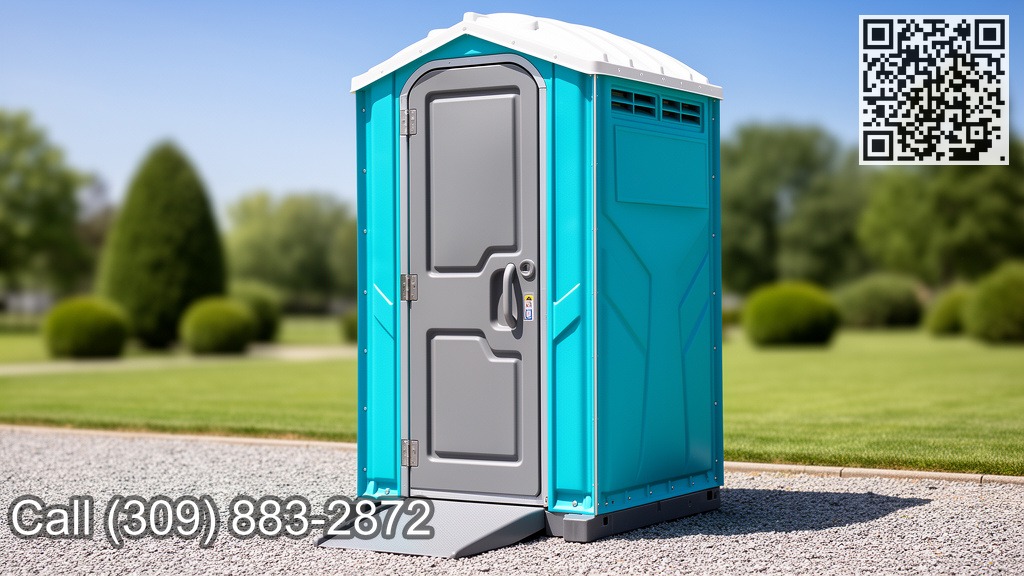
This matters for celebrations, outdoor wedding celebrations, showing off occasions, local celebrations, fundraisers, fairs, and pop-up activations. "It is just for one day" is not a defense to bad planning. In some ways, temporary occasions need even more self-control because there is much less time to remedy mistakes as soon as the group arrives.
I have actually additionally seen momentary events make an incorrect economic situation choice by cutting the easily accessible device first when budget plan stress hits. That is precisely the incorrect area to cut. If cost ends up being an issue, decrease decorative bonus, revise inessential amenities, or rethink design before you jeopardize ease of access. An individual who needs an ada mobile toilet is not requesting for a costs feature. They are requesting for standard access to the event every person else is attending.
The language purchasers use can produce confusion
Search terms and supplier summaries are not always consistent. You will certainly see phrases like ada portable toilet, ada mobile bathroom, ada compliant portable bathrooms, ada-compliant portable toilet, and ada compliant obtainable mobile washrooms utilized rather reciprocally in marketing. In some cases a vendor indicates a genuinely compliant accessible system. Often they just imply "bigger than criterion."
That is why item labels alone are not enough. If a person advertises an ada portable commode leasing, the real concern is whether the device and the installation will certainly please the applicable availability needs. A bigger door or a much more sizable cabin does not by itself answer that concern. Clearances, transforming area, door maneuvering, course, entry, and recognition all matter.
For buyers, accurate language helps. As opposed to asking for "a handicap porta potty," describe the need in compliance terms. Request an ada certified mobile toilet and confirm just how it will certainly be put. If you have multiple restroom collections, claim that in advance. If the site surface area is irregular or remote, claim that also. Vendors can normally react much better when the request is concrete.
Accessibility is part of hospitality
There is a legal dimension to this subject, but there is likewise a human one. Individuals keep in mind how a website made them feel. An event can have thoughtful programming, stunning decor, or a solid yield and still leave a sour memory if basic needs were difficult to fulfill. Bathroom gain access to rests high on that listing since it impacts convenience, privacy, and freedom in a really prompt way.
When accessibility is succeeded, the majority of people hardly observe the planning behind it. The route feels noticeable. The system is easy to find. The entrance works. The user can handle the see with self-respect and without requiring special help. That is the common worth aiming for. Quiet competence.
I have heard coordinators stress that focusing on conformity will make the preparation process chilly or bureaucratic. In technique, I have actually found the reverse. Ease of access preparation tends to develop your understanding of the visitor experience on the whole. When you start thinking very carefully about courses, surface areas, congestion points, and wayfinding for an available bathroom, you often improve the site for everybody else too.
A practical way to assess your website before delivery day
Before the device arrives, it aids to do one grounded evaluation of the real place. This does not require to be elaborate. It just requires to be honest.
Use this quick lens:
- Can an individual reach the washroom by an accessible course without crossing unpredictable, obstructed, or excessively limited spaces?
- Is the device in the same basic location where people would sensibly expect toilet gain access to, rather than separated far away?
- Will the entrance remain usable after secure fencing, vendor gear, crowd lines, and maintenance needs are added?
- Is the obtainable system determined clearly with the International Icon of Accessibility?
- If there is more than one bathroom cluster, does each collection meet the accessible-unit need as opposed to counting on one distant unit?
That final walk-through catches most of the concerns that are pricey or embarrassing to take care of later.
Compliance is obtaining broader attention, not less
Even if your existing question is strictly concerning bathroom leasings, it is worth seeing the more comprehensive atmosphere. ADA compliance is getting sustained interest across markets. Recent federal support around web and mobile access for state and city governments shows that the conformity landscape is active and evolving, not fading into the background. That does not alter the technical rules for portable restrooms, however it does advise organizations that access is an existing operational responsibility.
For occasion coordinators, towns, schools, nonprofits, and personal hosts, that wider context ought to urge an elder attitude. Ease of access is not a side topic handed over in the nick of time. It is part of accountable planning, much like safety and security, insurance policy, and crowd flow.
Getting it right without overcomplicating it
The excellent information is that obtainable toilet planning is manageable when you start early and remain certain. You do not require a significant overhaul or a legal memo for each occasion. You require the appropriate device, enough of them in each collection, proper recognition, and a truly easily accessible path and entrance. You additionally need the technique to shield that setup once the rest of the site fills out around it.
If you are purchasing an ada certified portable toilet for the first time, keep the concentrate on function. Where will people need it? How will they get there? Will the path still function 3 hours into the occasion, after weather, traffic, and setup sprawl have had their claim? Those are the inquiries that separate a merely supplied unit from a really easily accessible one.
Handled well, an ada accessible portable toilet does more than please a need. It tells guests and workers that their presence was anticipated, respected, and planned for. That is what access in technique should really feel like.
 Ask ChatGPT
 Ask Grok
 Ask Perplexity
 Ask Claude
 Ask Google AI
 Ask You